

Animals that start with X are rare and unique creatures whose names begin with the letter X. These animals are often less known and found in different parts of the world. They can include both wild and fascinating species, each with special traits and habits that make them interesting to learn about in nature studies and animal lists.
This topic is exciting because animals starting with X are not common, which makes them feel mysterious and special. Many people get curious when they hear about X-named animals since they are not seen every day. Learning about them can make your knowledge of wildlife more fun and surprising while improving your understanding of biodiversity.
In this guide, you will find interesting facts about animals that start with X. Some live in water, some in forests, and others in unique habitats. Each one has its own story, behavior, and natural role in the ecosystem around the world.
Marine and aquatic
Marine and aquatic X animals live in water habitats. They include fish, eels, and ocean species found worldwide.
- Xiphias gladius – Atlantic and Pacific Oceans
- Xenentodon cancila – South Asia freshwater rivers
- Xenocypris davidi – East Asian rivers and lakes
- Xyrichtys novacula – Atlantic and Mediterranean coral reefs
- Xenomystax trucidans – Deep Atlantic Ocean waters
- Xenocara dolichopterus – South American rivers
- Xenisthmus polyyzonus – Indo-Pacific coral reefs
- Xenichthys xanti – Eastern Pacific Ocean
- Xenotoca eiseni – Mexican freshwater streams
- Xiphocheilus typus – Indo-Pacific reef zones
- Xenobalistes punctatus – Tropical Indian Ocean
- Xenocongrus profundorum – Deep sea Atlantic waters
- Xiphasia setifer – Indo-West Pacific seas
- Xenodermichthys copei – Deep ocean global distribution
- Xenistius californiensis – Eastern Pacific coastal waters
Insects & Small X Creatures
Insects and small X creatures are tiny organisms. They support ecosystems through pollination, decomposition, and natural pest control.
- Xylocopa violacea – Europe and Asia woodlands
- Xestia c-nigrum – Europe and North America fields
- Xyleborus dispar – Worldwide forest regions
- Xenos vesparum – Europe wasp colonies
- Xestobium rufovillosum – Europe and North America old wood
- Xylena exsoleta – Europe and Asia forests
- Xylocoris flavipes – Tropical and temperate regions
- Xenopsylla cheopis – Worldwide rodent habitats
- Xanthocoris sp. – North American plants
- Xyela gallica – Europe pine forests
- Xestophrys trigona – Asian grasslands
- Xylophagus cinctus – Europe decaying wood areas
- Xyloterinus politus – North American forests
- Xylophaga dorsalis – Global marine wood zones
- Xestia triangulum – Europe and Asia gardens
Read More : 600+ Amazing Bat Names That Sound Mysterious and Unique
More Fascinating X Animals
More fascinating X animals include rare mammals, reptiles, and birds. They show unique survival skills and adaptations in nature.
- Xenopus laevis – Southern Africa freshwater ponds
- Xerus inauris – Southern African dry grasslands
- Xenarthra group – Central and South America forests
- Xenops minutus – Central and South America forests
- Xantusia vigilis – Southwestern United States deserts
- Xiphias gladius – Global ocean waters
- Xenocyon lycaonoides – Ancient Eurasia regions
- Xenorhinotherium bahiense – Ancient South America fossils
- Xenoglaux loweryi – Peru cloud forests
- Xenopeltis unicolor – Southeast Asia forests
- Xiphactinus audax – Ancient North American seas
- Xylophanes tersa – Americas tropical regions
- Xenotoca eiseni – Mexico freshwater systems
- Xenichthys xanti – Eastern Pacific waters
- Xantus murrelet – Pacific coastal regions
Rare & Exotic X Animals
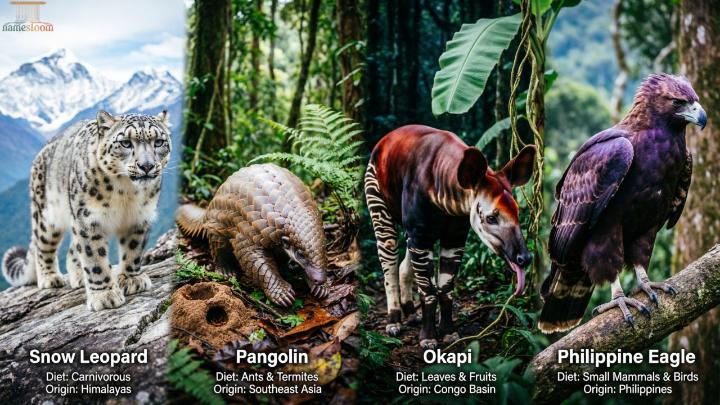
Rare and exotic X animals are unusual species found in limited regions with special traits and natural habitats.
- Xenops minutus – Central and South America tropical forests
- Xantusia vigilis – Southwestern United States desert regions
- Xenoglaux loweryi – Northern Peru cloud forests
- Xenorhinotherium bahiense – Ancient South America fossil regions
- Xenocyon lycaonoides – Ancient Eurasian territories
- Xylophanes amadis – Central and South American rainforests
- Xenopeltis unicolor – Southeast Asia forest regions
- Xenurus unicinctus – South American grasslands
- Xenicus gilviventris – New Zealand alpine regions
- Xylocopa virginica – North American woodlands
- Xenorhynchus asiaticus – Asia wetland areas
- Xenobalistes punctatus – Indo-Pacific tropical seas
- Xenotoca doadrioi – Mexican freshwater streams
- Xiphocolaptes major – South American forests
- Xenodermichthys copei – Deep ocean global waters
Dog Breeds and Pets That Start With X
Some X animals can live with people safely.
- Xoloitzcuintli (Mexican Hairless Dog) – Diet: Meat, kibble | Habitat: Family homes
- Xolo Miniature (Small Companion) – Diet: Dry food | Habitat: Indoor homes
- Xolo Standard (Large Guardian) – Diet: Protein meals | Habitat: Spacious yards
- Xolo Toy (Tiny Friend) – Diet: Soft food | Habitat: Apartments
- Xolo Puppy (Young Dog) – Diet: Puppy food | Habitat: Safe houses
- Xolo Companion (Loyal Pet) – Diet: Balanced meals | Habitat: Cozy homes
- Xolo Family Dog (Gentle Partner) – Diet: Healthy diet | Habitat: Urban homes
Xoloitzcuintli
The Xoloitzcuintli is an ancient dog breed from Mexico. It is calm, loyal, and easy to train. This intelligent dog enjoys spending time with families and adapts well to many homes.
It has little or no hair, making grooming simple. The breed needs daily exercise, healthy food, and regular care to stay active and happy.
Can X Animals Be Pets?
Only a few animals that start with X can be good pets. Most are wild species and should stay in their natural environments where they can live safely.
The Xoloitzcuintli is the best-known pet that starts with X. Wild animals like Xerus or Xenops are not suitable as household pets because they need special habitats and natural diets.
Animal Classification
Animal classification groups species by shared features. It helps people identify different animals that start with X and understand where they live, what they eat, and how they survive in nature.
- Xenops minutus (Plain Xenops) – Diet: Tiny insects | Habitat: Rain forests
- Xerus inauris (Cape Ground Squirrel) – Diet: Seeds, roots | Habitat: Dry savannas
- Xenopus laevis (African Clawed Frog) – Diet: Small insects | Habitat: Fresh ponds
- Xiphias gladius (Swordfish) – Diet: Fish, squid | Habitat: Open oceans
- Xylocopa violacea (Violet Carpenter Bee) – Diet: Flower nectar | Habitat: Wooded gardens
- Xantus’s Murrelet (Small Seabird) – Diet: Small fish | Habitat: Coastal islands
- Xyrichtys novacula (Pearly Razorfish) – Diet: Tiny crabs | Habitat: Sandy reefs
Scientific Names
Scientific names give every animal a unique identity. They are used by scientists around the world and help avoid confusion caused by different local names.
- Xenoglaux loweryi (Long-whiskered Owlet)
- Xeme sabini (Sabine’s Gull)
- Xenentodon cancila (Freshwater Garfish)
- Xenocara dolichopterus (Bristlenose Catfish)
- Xiphasia setifer (Hairfin Snake Eel)
Habitats
Habitats are the natural places where animals live and find food. Different X animals survive in forests, rivers, deserts, oceans, and other environments.
- Xoloitzcuintli (Mexican Hairless Dog)
- Xenotoca eiseni (Redtail Splitfin)
- Xenopeltis unicolor (Sunbeam Snake)
- Xestia c-nigrum (Setaceous Hebrew Character Moth)
- Xylophagus cinctus (Wood Soldier Fly)
Diet
Every X animal has a different diet based on its lifestyle. Some eat plants, while others feed on insects, fish, or other small animals.
- Xenichthys xanti (Salema Fish)
- Xenobalistes punctatus (Triggerfish)
- Xylocoris flavipes (Predatory Bug)
- Xylena exsoleta (Sword-grass Moth)
- Xanthocoris sp. (Plant Bug)
Lifespan
The lifespan of X animals depends on their species, environment, and available food. Some live only a few months, while others survive for many years.
- Xenocongrus profundorum (Deepwater Conger)
- Xenodermichthys copei (Deepsea Slickhead)
- Xenistius californiensis (Black Croaker)
- Xyloterinus politus (Ambrosia Beetle)
- Xyela gallica (Pine Sawfly)
Conservation Status
Conservation status shows whether a species is safe or at risk. Protecting habitats helps many rare X animals continue living in the wild for future generations.
- Xenicus gilviventris (Rock Wren)
- Xenorhynchus asiaticus (Asian Stork)
- Xylophanes amadis (Amadis Sphinx Moth)
- Xiphocolaptes major (Great Rufous Woodcreeper)
- Xenotoca doadrioi (Splitfin Fish)
Interesting Facts About Animals That Start With X
Animals that start with X are uncommon because very few English animal names begin with this letter. Many of these names come from scientific or Latin words instead of everyday language. They include fish, birds, insects, reptiles, amphibians, and mammals found in different parts of the world. Learning about these unique species helps people understand biodiversity and the importance of protecting wildlife.
Why Are There So Few Animals That Start With X?
There are only a small number of animals that start with X because the letter is rarely used at the beginning of English words. Many species have scientific names that begin with X, while their common names start with another letter. This makes X animals seem much rarer than they actually are.
Which Is the Most Famous X Animal?
The Xoloitzcuintli, also called the Mexican Hairless Dog, is one of the most famous animals that starts with X. Other well-known examples include the X-Ray Tetra, Xerus, and Xenopus. These animals are popular because of their unique appearance, scientific importance, and interesting natural history.
Largest Animal That Starts With X
The Xiphias gladius, commonly known as the swordfish, is the largest widely recognized animal that starts with X. It can grow over 14 feet (4.3 meters) long and weigh more than 1,000 pounds (450 kilograms). This fast-swimming predator lives in oceans around the world and feeds mainly on fish and squid.
Smallest Animal That Starts With X
Among the smallest animals that start with X are tiny insects such as Xyleborus dispar and Xylocoris flavipes. These species measure only a few millimeters in length. Despite their small size, they play important roles in nature by supporting healthy ecosystems through decomposition, pest control, and other ecological processes.
Extinct Animals That Start With X
Extinct animals that start with X lived millions of years ago and are known through fossil discoveries. Scientists study their remains to understand how ancient animals lived, what they ate, and the environments they called home. These fossils help explain Earth’s history and the evolution of modern wildlife.
Xiphactinus
Xiphactinus was a giant prehistoric fish that lived during the Late Cretaceous Period. It was a fast and powerful predator with sharp teeth. Fossils found in North America show it often swallowed large fish whole.
Diet: Large fish and smaller marine animals | Habitat: Warm shallow seas
Xenocyon
Xenocyon was an extinct wild dog that lived across parts of Europe, Asia, and Africa during the Ice Age. It hunted in groups and was closely related to modern African wild dogs. Its strong body helped it chase prey over long distances.
Diet: Deer, antelope, and other mammals | Habitat: Grasslands and open woodlands
Xenorhinotherium
Xenorhinotherium was an extinct hoofed mammal that lived in South America during the Pleistocene Epoch. It had a long snout and fed mainly on plants. Fossil evidence suggests it lived in open landscapes with abundant vegetation.
Diet: Leaves, grasses, and shrubs | Habitat: Grasslands and open forests
Reptiles and Amphibians That Start With X
Reptiles and amphibians that start with X are unique animals found in different parts of the world. Some live in freshwater ponds, while others survive in forests or deserts. They have special adaptations that help them find food, avoid predators, and live successfully in their natural environments.
Xenopus Laevis
Xenopus laevis, also called the African clawed frog, is a fully aquatic amphibian native to southern Africa. It is well known in scientific research because of its hardiness and ability to adapt to different freshwater habitats.
Diet: Insects, worms, small fish | Habitat: Freshwater ponds and slow-moving rivers
Xenopeltis Unicolor
Xenopeltis unicolor, commonly known as the sunbeam snake, is a non-venomous reptile found in Southeast Asia. Its smooth scales shine with colorful rainbow-like reflections. It spends much of its time hidden underground or in loose soil.
Diet: Rodents, frogs, and lizards | Habitat: Tropical forests, grasslands, and wetlands
Xantusia Vigilis
Xantusia vigilis, known as the desert night lizard, is a small reptile that lives in dry regions of the southwestern United States and Mexico. It is active in cool conditions and spends most of its life beneath rocks, logs, or desert plants.
Diet: Insects, spiders, and small arthropods | Habitat: Deserts, rocky areas, and woodland habitats
Common & Well-Known X Animals
Common and well-known X animals are easier to recognize species used in science, education, and wildlife studies worldwide.
- Xenopus laevis – Southern Africa freshwater ponds
- Xerus inauris – Southern African savanna regions
- Xiphias gladius – Worldwide ocean waters
- Xenocypris davidi – East Asian rivers and lakes
- Xylocopa violacea – Europe and Asia woodlands
- Xestia c-nigrum – Europe and North America fields
- Xenopeltis unicolor – Southeast Asian forests
- Xylena exsoleta – Europe and Asian forests
- Xylophanes tersa – Americas tropical regions
- Xestobium rufovillosum – Europe old wooden buildings
- Xenotoca eiseni – Mexican freshwater streams
- Xenichthys xanti – Eastern Pacific coastal waters
- Xylocoris flavipes – Global agricultural regions
- Xyela gallica – European pine forests
- Xenocara dolichopterus – South American rivers
Read More : Popular Elephant Names: Cultural, Fun, and Iconic
Frequently Asked Questions
What are animals that start with X?
Animals Start With X include rare species like X-ray fish and xenops found in different habitats around the world today.
Where do Animals That Start With X live?
That Start With X are found in forests, deserts, and oceans, depending on species like xerus and xenopus frogs.
Why is Animal That Start With X Rare?
They are rare because Animals That Start With X often belong to unique regions and have limited scientific documentation globally.
Can you name examples of Animals That Start With X?
Examples of Animals The Start With X include xenops, xoloitzcuintli, xerus, xantus, and x-ray fish living across diverse ecosystems worldwide.
Are Animals That Start With X Endangered?
Some Animals That Start With X are endangered due to habitat loss and environmental changes affecting their survival in nature.
What do Animals That Start With X eat?
Diets of Animals That Start With X vary, including insects, plants, and small aquatic creatures depending on each species type.
How big are Animals That X?
Sizes of Animals That Start With X vary widely from tiny fish to medium sized mammals across different environments globally.
Why should we learn about Animals Start With X?
Learning about Animals That Start With X helps understand biodiversity, ecosystems, and the importance of protecting rare wildlife species worldwide better.
Conclusion
Animals That Start With X are very rare and interesting creatures found in different parts of the world. Some live in water, while others live on land or in forests. These animals include unique species like x-ray fish, xerus, and xenops. Each one has special features that help it survive in its natural habitat. Learning about them helps us understand how diverse and amazing nature can be. It also shows how every animal plays an important role in the ecosystem.
Animals That Start With X may be few in number, but they are important for biodiversity. They live in different environments and have different diets and behaviors. Studying them increases our knowledge about wildlife. It also reminds us to protect all living creatures. Even rare animals deserve care and attention for a balanced natural world.

I’m Isaac, founder of NamesLoom.com, passionate about helping brands and startups discover unique, creative, and memorable names that stand out.