

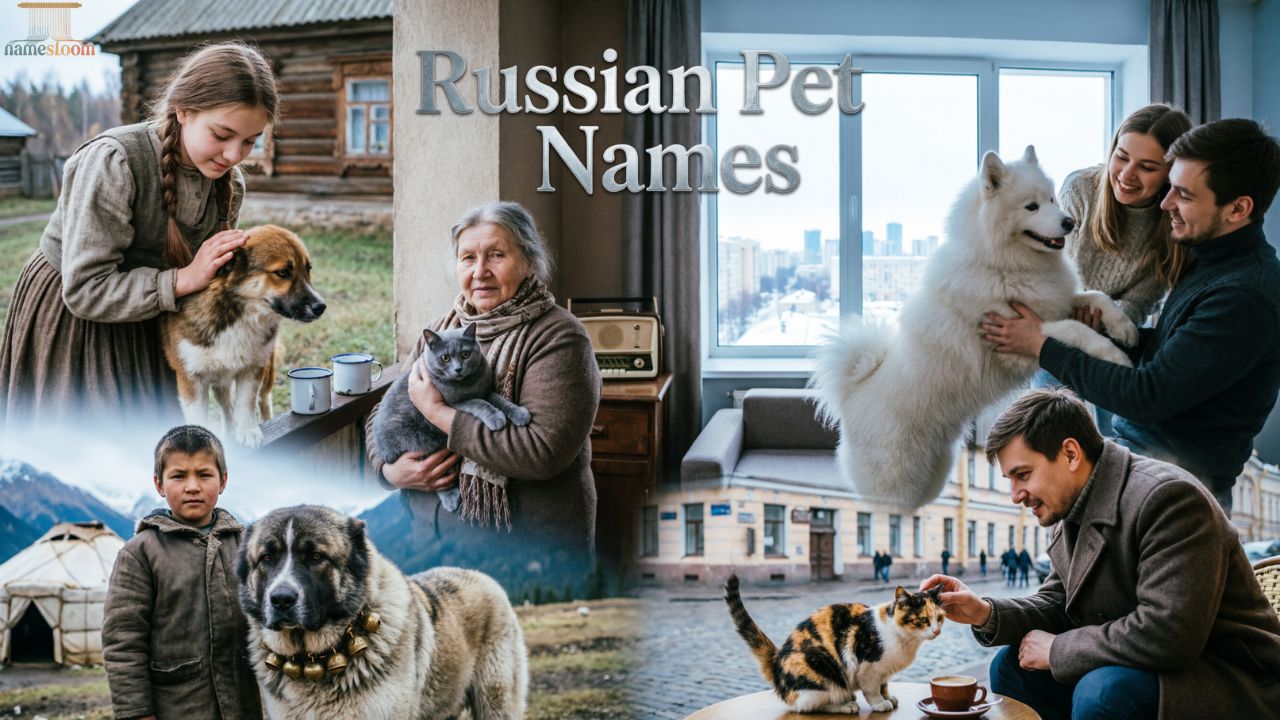
Russian pet names are affectionate nicknames people use to show love, care, and closeness. These names are commonly used between family members, friends, couples, and even children. Many Russian pet names come from everyday words, animals, or shortened versions of real names. They often carry warm meanings that make conversations feel more personal and friendly.
Have you ever wondered why Russians use so many sweet nicknames in daily life? A simple name can become a special expression of affection. Learning these pet names can help you understand Russian culture better and make your conversations sound more natural. They can also add warmth and personality when speaking with Russian speakers.
Russian pet names range from cute and playful to deeply caring and respectful. Some are used for loved ones, while others are suitable for close friends or family members. Understanding their meanings and proper usage is important because the right nickname can strengthen relationships and show genuine kindness.
What Are Russian Pet Names?
Russian pets are sweet and affectionate nicknames used for family members, friends, and loved ones. These names help express care, warmth, and emotional closeness in everyday conversations.
Unlike regular names, Russian names often come from personal traits, animals, or shortened versions of given names. They are commonly used in homes and close relationships across Russia.
Why Russians Use Animal Names as Terms of Endearment
Many Russian pet names are inspired by animals because they symbolize positive qualities. For example, a bunny may represent sweetness, while a kitten can show tenderness and affection.
Using animal-based nicknames helps make conversations feel more personal and loving. These names are a traditional part of Russian culture and are widely accepted among family and friends.
The Most Common Russian Pet Names and What They Mean
Some popular Russian pet include Zaychik (little bunny), Kotik (little cat), and Solnyshko (little sun). These nicknames are used to show love, kindness, and appreciation.
Each pet name carries a special meaning and emotional tone. Choosing the right nickname depends on the relationship, personality, and level of closeness between the people involved.
How Russian Diminutive Suffixes Work
Russian diminutive suffixes make names sound warmer, friendlier, sweeter, and more affectionate in daily speech.
- Сашенька (Little Sasha)
- Машенька (Little Masha)
- Ванечка (Little Ivan)
- Танечка (Little Tanya)
- Олечка (Little Olga)
- Леночка (Little Lena)
- Юлечка (Little Yulia)
- Катенька (Little Katya)
- Димочка (Little Dima)
- Павлуша (Little Pavel)
- Алёшенька (Little Alexey)
- Серёженька (Little Sergey)
- Настенька (Little Nastya)
Russian Pet Names for Cats and Dogs
Russian pet names for cats and dogs often reflect personality, appearance, charm, and affection.
- Мурзик (Purring Cat)
- Барсик (Little Snow Leopard)
- Пушок (Fluffy One)
- Рыжик (Little Redhead)
- Снежок (Little Snowball)
- Шарик (Little Ball)
- Бим (Friendly Dog)
- Тузик (Small Dog)
- Жучка (Little Bug)
- Малыш (Little One)
- Лапка (Sweet Paw)
- Черныш (Black One)
- Белка (Squirrel)
Read More : 400+ T Rex Names That You’ll Love to Give Your Kids
Affection Words Based on Beauty and Closeness
These Russian affection words express beauty, love, closeness, warmth, kindness, and emotional connection.
- Красавица (Beautiful Girl)
- Красавчик (Handsome Boy)
- Солнышко (Little Sun)
- Зайчик (Little Bunny)
- Котик (Little Cat)
- Милая (Sweetheart)
- Милый (Dear One)
- Любимая (Beloved Girl)
- Любимый (Beloved Boy)
- Родная (My Dear)
- Дорогая (Precious One)
- Принцесса (Princess)
- Ангелочек (Little Angel)
Nature and Warmth-Based Nicknames
Nature and warmth-based nicknames express comfort, happiness, affection, tenderness, and emotional connection every day.
- Солнышко (Little Sun)
- Звёздочка (Little Star)
- Луночка (Little Moon)
- Цветочек (Little Flower)
- Ромашка (Daisy)
- Ягодка (Little Berry)
- Росинка (Little Dewdrop)
- Облачко (Little Cloud)
- Лучик (Little Ray of Light)
- Огонёк (Little Flame)
- Весна (Spring)
- Снежинка (Snowflake)
- Радость (Joy)
Animal-Based Nicknames
Animal-based nicknames are popular in Russian and show love, playfulness, warmth, and closeness.
- Зайчик (Little Bunny)
- Котик (Little Cat)
- Киска (Kitten)
- Мишка (Little Bear)
- Рыбка (Little Fish)
- Лисёнок (Little Fox)
- Птичка (Little Bird)
- Белочка (Little Squirrel)
- Утёнок (Little Duckling)
- Тигрёнок (Little Tiger)
- Мышка (Little Mouse)
- Ласточка (Swallow Bird)
- Ёжик (Little Hedgehog)
Using Diminutive Forms of Russian Names
Russian diminutive names are shortened or modified versions of formal names. They are commonly used among family members, close friends, and loved ones to show warmth, affection, and familiarity in everyday conversations.
Many Russian names have several diminutive forms. For example, Alexander can become Sasha, while Maria can become Masha. Learning these forms helps you understand Russian culture and communicate more naturally with native speakers.
Pet Names to Avoid in Russian
Not every nickname or pet name is suitable in Russian culture. Some words may sound overly informal, disrespectful, or even offensive depending on the situation and the relationship between the people involved.
It is important to consider context before using a Russian pet name. Nicknames that are acceptable among close friends or family may be inappropriate in professional settings or when speaking to someone you do not know well.
Read More : 250+ Japanese Names That Mean Death
Frequently Asked Questions
What nickname is commonly used for Alexander in Russia?
Sasha is a popular nickname for Alexander. Russian Pet Names often create warmth and closeness in everyday conversations.
How do families show affection through nicknames?
Families use loving names like Маша for Maria. Russian Pet Names help express care, kindness, and strong family bonds.
Are affectionate nicknames important in Russian culture?
Yes, they play a major role in relationships. Russian Pet Names reflect friendship, affection, respect, and emotional connection.
Can friends use special nicknames with each other?
Close friends often use names like Дима for Dmitry. Russian Pet Names make conversations feel friendlier and more personal.
Why do many Russian names have shorter versions?
Shorter forms are easier in daily speech. Russian Pet Names help create comfortable and natural communication between people.
Do romantic partners use affectionate nicknames often?
Yes, couples frequently use names such as Катюша. Russian Pet Names add warmth and tenderness to personal relationships.
Are there different nickname forms for the same person?
Many names have multiple affectionate forms. Russian Pet Names can change depending on closeness, age, and situation.
Is learning Russian nicknames useful for language learners?
Absolutely, names like Ваня appear often in conversations. Russian Pet Names improve cultural understanding and communication skills.
Conclusion
Russian pet names are an important part of daily life and communication. They help people express affection, kindness, and emotional closeness. Friends, family members, and couples often use these nicknames to make conversations feel warmer and more personal. Many Russian names have several affectionate forms, each carrying a slightly different feeling. Learning them can help you better understand Russian culture and social relationships.
Whether you are studying Russian, traveling, or simply interested in the language, knowing Russian pet names is very useful. These nicknames appear often in conversations, books, movies, and songs. Using them correctly can make your speech sound more natural and respectful. Understanding pet names also helps you connect with native speakers and appreciate the warmth and richness of Russian culture.

I’m Isaac, founder of NamesLoom.com, passionate about helping brands and startups discover unique, creative, and memorable names that stand out.